Close

Get your tickets now. It’s going to be fun night for everyone. Music. Dancing. Racing. REAP Benefit.

Get your tickets now. It’s going to be fun night for everyone.

Music. Dancing. Racing. REAP Benefit.

Saturday • July 8 • Mojo’s

Evangeline Downs Racetrack & Casino

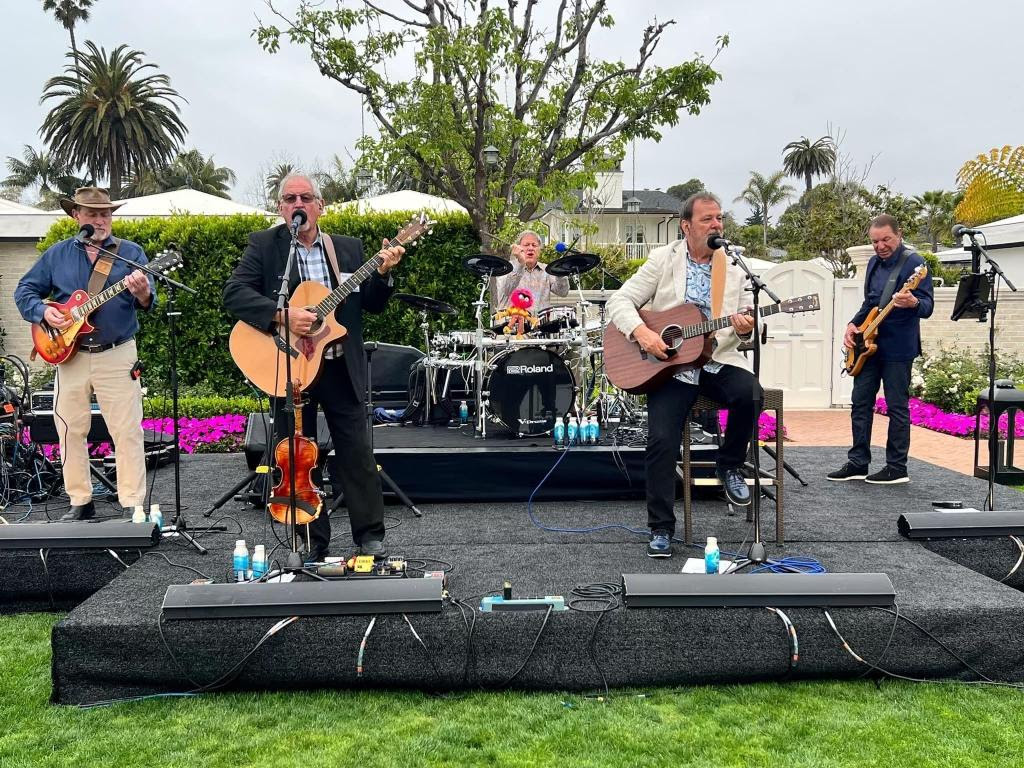
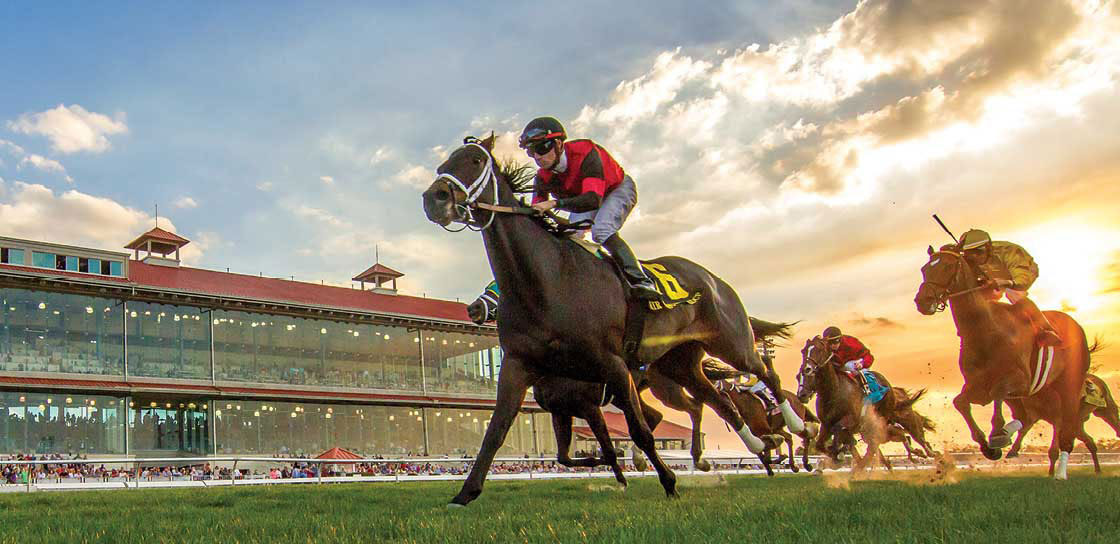
We are presenting the Louisiana Stallion Stakes at Evangeline Downs and hosting a fundraiser for the Racing Employees Assistance Program (REAP). The Coteau Grove Project is a band that provides tight, lively music, great vocals and mesmerizing harmonies and is unique in its mission of supporting nonprofit organizations.

Buy advance tickets here.

Tickets will also be available at the door.

$25

Doors open at 5:00 p.m.

Post time for the first race is 5:30 p.m.

The Coteau Grove Project performs 7:00 p.m. – 9:00 p.m.

Thank You to Our Generous Sponsors

Keith & Ginger Myers

Acadian Ambulance

Blue Star Racing

Cary Bloodstock

Clear Creek Stud

Courtesy Motors/Don Hargroder

Intrepid Thoroughbreds

Whispering Oaks

Kip & Caroline Doerle Schumacher

To become a sponsor download this form.

The Mission of REAP (Racing Employees Assistance Program) is to provide relief to those of the  licensed member of the Evangeline Downs Racing Community and member of their families. Such relief will include, but not be limited to, financial assistance for medical care, food, housing, clothing and education, and services, such as counseling, care, emergency transportation, recreational  activities and job placement and training. We also support the Great Works of our Chaplain Dwight Brown.

We invite you to participate again with us in servicing those in our industry that need our help. We also ask that you help us spread the news of this REAP event. The July 8 event is at Mojo’s at Evangeline Downs.

We have one level of Signature Sponsorships for $1,000 and individual tickets for $25. Doors open at 5:00 p.m.

Coteau Grove Farms was founded in 2008 by Keith and Ginger Myers. The Myers have a love of horses and established their thoroughbred breeding operation when they purchased eight broodmares in November of 2008. Their objective is to become a top quality breeder of Louisiana bred racehorses to compete in Louisiana and nationally.

From the beginning, the Myers plan was to build their brand through racing while selectively culling and acquiring mares to build a high quality broodmare brand. A decade after its inception, the Myers’ enthusiasm with Coteau Grove Farms remains as strong as ever.

Coteau Grove Farms is staffed with top personnel that breed, foal, and raise our young horses. When you visit, you will notice that each one of the horses has been handled professionally and that they each have their own personalities. The mares, foals and youngsters have individual care and are given all that they need to stay in maximum condition.

Facebook  Twitter  Instagram

Uncertainty Amid HISA Conflict Continues in Texas

Texas tracks have been unable to send their domestic simulcast signal out-of-state.


Lone Star Park, like some other tracks across the country on July 4, will ignite fireworks before thousands of fans in a celebration of Independence Day, coming on the closing day of the track’s Thoroughbred season.

But amid continued opposition of the Horseracing Integrity and Safety Authority by the Texas Racing Commission and other entities in Texas, the state’s Thoroughbred industry has taken on a less celebratory mood over the past year. Texas tracks running Thoroughbred meets have been unable to send their domestic simulcast signal out of state over the length of the dispute, which began last July when HISA began its initial responsibilities for enforcing uniform safety and integrity rules in United States Thoroughbred racing.

Since then, the overall handle has plunged at Lone Star Park and Sam Houston Race Park, the state’s other track that hosts Thoroughbred racing.


Read BloodHorse Article

RTCA Addresses Mental Health Support in Horse Racing

The Race Track Chaplaincy of America (RTCA) is committed to the well-being of all individuals within horseracing. RTCA is driven by its core mission to minister to the spiritual, physical, social, educational, and emotional needs of the racing community.

In April, a Jockey Mental Health survey was sent to jockeys nationwide by the Jockeys’ Guild and the results were presented to a group at Keeneland in late May. Since that presentation, there have been discussions among industry leaders on the subject of mental health, in particular, how to identify and prevent potential suicide. In alignment with other prominent industry associations, the RTCA recognizes the importance of mental health concerns with the jockey colony and throughout the horseracing family.

RTCA Chaplains are uniquely positioned to actively engage with jockeys, trainers, and other racing personnel on a daily basis, providing guidance and support.

Dan Waits, the Executive Director of RTCA, emphasizes the significance of the Chaplains’ regular presence at racetracks, stating, “For over five decades, the Chaplain at the racetrack, training facility or farm community has been a trusted resource for individuals who maybe experiencing mental health challenges to turn to and get the help they need. Through ongoing training, it is our aim to equip each Chaplain to provide assistance to those in need and guide them towards the appropriate help.”

RTCA Chaplains have received training on these subjects at their National Conference and in their educational backgrounds. However, to bolster this current endeavor, dedicated funding has been allocated to enable each RTCA Chaplain and all local support staff members to pursue immediate accreditation through QPR Gatekeeper Training, a national program that equips individuals with the necessary skills to identify, understand, and respond to signs of potential suicide.

By participating in this program, the Chaplains will be better prepared to offer support and intervention when confronted with these issues. Janet VanBebber, a valued RTCA Board Member, passionately advocates for mental health support and expresses her satisfaction with RTCA’s proactive steps.

She shares a personal connection to the cause, saying, “Having lost my husband to suicide over 20 years ago and subsequently witnessing the loss of more friends from the track, I deeply understand the importance of equipping those on the backside and the frontside to recognize silent suffering, identify warning signs, and facilitate meaningful support. Such tragedies have a profound impact on individuals and families. My prayer is that by educating our Chaplains, we provide them with the necessary tools to offer support and guidance, ultimately saving lives.”

RTCA remains steadfast in its commitment to promoting mental health awareness and fostering a compassionate environment within the racing community. Through the QPR accreditation of its Chaplains and local staff members, the RTCA aims to strengthen their ability to recognize and respond to mental health challenges effectively, and RTCA will continue to provide on-going training for increased responsiveness in the days ahead.

Make Your Horses Eligible for the December 2 Claiming Crown at Fair Grounds

Claiming Crown Set for Dec. 2 at Fair Grounds, Eligibility Forms Now Available

The 2023 Claiming Crown at Fair Grounds Race Course & Slots in New Orleans is still more than five months away, but Saturday, December 2, will be here before you know it. Now is the time to make your horses eligible before the November 18 deadline. The event will feature eight races totaling $1 million in base purses, headlined by the $200,000 Claiming Crown Jewel.

The Claiming Crown races are conducted under starter-allowance conditions, meaning they are restricted to horses that have competed at least once for a certain claiming level or cheaper during a designated time frame, in this case 2022 or 2023. Purses for the eight Claiming Crown races will range from $75,000 to $200,000 for the Jewel. Another $25,000 in each race will be available in purse supplements for accredited Louisiana-bred horses.

The deadline to make horses eligible to run in the Claiming Crown is November 18. Eligibility Request Forms, as well as individual race conditions, are now available by CLICKING HERE.

For complete information about the Claiming Crown, go to www.claimingcrown.com.

Share Share
Tweet Tweet
Forward Forward

July Calendar of Events from the LTBA

 Louisiana Thoroughbred Breeders Association would like to share the following list of dates of interest to Louisiana horsemen and women.

Brought to you by Whispering Oaks Farm,  Breeders Sales of Louisiana and Louisiana Thoroughbred Breeders Association. Click images to link to more information

July 1

July 4

  • Independence Day. LTBA Office closed for 4th of July Holiday


July 5

July 7

  • D.S. Shine Young Futurity (Filly Division),  Evangeline Downs
  • Louisiana Stallions Stakes presented by Coteau Grove Farms (Fillies and Mares),  Evangeline Downs

July 8

  • D.S. Shine Young Futurity (Colt and Gelding Division),  Evangeline Downs
  • Louisiana Stallions Stakes presented by Coteau Grove Farms,  Evangeline Downs
  • REAP Fundraiser; An Evening of Music, Fun, Racing. 5:00 p.m. Mojos at Evangeline Downs

July 15

July 24

  • Louisiana Cup Day Nominations Close

July 31

  • LTBA Membership deadline. Membership must be completed by July 31st in order to vote for the Board or to be eligible to run for the Board

Would you like to sponsor a newsletter? Reach @ 2,500 readers.Please contact Linda 985-386-0360, linda@louisianabred.com or Roger 504-947-4676, roger@louisianabred.com for cost and availability.

Do you have a date pertaining to Louisiana-breds that you would like included in an upcoming calendar? Please contact Linda 985-386-0360, linda@louisianabred.comor Roger 504-947-4676, roger@louisianabred.com for consideration.


Any questions or need more info call

Roger A. Heitzmann III, Secretary/Treasurer

Louisiana Thoroughbred Breeders Association

504-947-4676

Tips for Horse Owners to Prepare for Hurricanes

BATON ROUGE, LA—With hurricane season upon us, horse owners should take proactive measures to ensure the safety and well-being of their animals. Here are some tips from the Louisiana State Animal Response Team (LSART – lsart.org), the Louisiana Department of Agriculture and Forestry (ldaf.state.la.us), and the LSU School of Veterinary Medicine (lsu.edu/vetmed) for effectively preparing horse owners in areas prone to hurricane damage:


Family Preparedness


Health and Identification

  • Ensure your horse’s vaccinations are up to date for tetanus and the encephalitis viruses (Rabies, Eastern, Western, and West Nile).
  • Establish a network and communication plan with the horse and farm animal-owning neighbors in your parish. Get to know one another, hold meetings to discuss various scenarios, and identify local resources for handling disaster situations. Be prepared to assist one another.
  • Familiarize yourself with your parish emergency managers, who are responsible during emergencies. Visit gohsep.la.gov/ABOUT/STATE-REGIONS for specific contact information.
  • Be sure that your horse has two forms of identification: (1) Permanent identification such as a microchip, tattoo or brand, and (2) Luggage-type tag secured to the tail and halter (be sure to use a leather halter for break-away purposes). Fetlock tags are useful and can be acquired on-line or from a local farm supply store or you can use a paint stick or non-toxic spray paint. Clearly legible tags should include your name, address, and phone number (preferably someone out of state in case of local phone outages).
  • Keep a record of the microchip number (E.I.A. or Coggins form) in an easily accessible location. It is advisable to keep a duplicate copy with a family member or friend in a distant location for safekeeping.


Evacuation Planning

  • Always plan to evacuate if possible. Identify a destination and pre-determine the routes well in advance. It is crucial to relocate your horses a sufficient distance from the coast, preferably north of Interstate 10 and ideally north of Alexandria. Aim to evacuate at least 72 hours before the anticipated storm arrival. Avoid the risk of being stuck in traffic with a trailer full of horses and a looming hurricane. Share your evacuation contact information with your neighbors.


Emergency Preparedness

  • Prepare a waterproof emergency animal care kit with all the items you normally use, including medications, salves or ointments, vetwrap, bandages, tape, etc. Store the kit in a safe place where you can easily access it following a storm.
  • Initiate early property cleanup to remove debris that could be tossed around by strong winds. Be careful of down power lines that can be “live” and pose a danger to people and animals.


Sheltering at Home

  • The choice of keeping your horse in a barn or an open field is up to you. Use common sense, taking into consideration barn structure, trees, power lines, condition of surrounding properties and the likelihood of the property and structure to flood. Farms subject to storm surge or flash flooding should turn their horses out so horses are not trapped and drown.
  • Remove all items from the barn aisle and walls and store them in a safe place.
  • Have at least a two-to-three-week supply of hay (wrapped in plastic or waterproof tarp) and feed (stored in plastic water-tight containers, securing the container seams with duct tape). Place these supplies out of reach of flood waters in the highest and driest area possible.
  • Fill clean plastic garbage cans with water, secure the tops, and place them in the barn for use after the storm.
  • Place an emergency barn kit containing a chain saw and fuel, hammer(s), saw, nails, screws and fencing materials in a secure area before the storm hits so that it is easily accessible following the storm.
  • Have an ample supply of flashlights and batteries and other non-perishable items.


Communications and Up to Date Information

  • Listen to local radio stations in your area. If Internet access is available, access state-run websites that contain accurate status information (i.e., State Police, State University, Louisiana Department of Agriculture and Forestry) and take all cautions/warning serious and act accordingly.
  • Visit the Louisiana State Animal Response Team website at lsart.org for more detailed information regarding horse hurricane preparations and other emergency and health-related information.


If your animals require emergency medical care after-hours, the LSU Veterinary Teaching Hospital on Skip Bertman Drive is available 24/7, 365 days a year. For pets and small exotics, call 225-578-9600, and for horses and farm animals, call 225-578-9500. While the LSU Veterinary Teaching Hospital typically remains open during hurricanes, please call first to be sure that the hospital is accessible, and we are able to accept patients following a disaster.


About LSU Vet Med: Bettering lives through education, public service, and discovery

The LSU School of Veterinary Medicine is one of only 33 veterinary schools in the U.S. and the only one in Louisiana. LSU Vet Med is dedicated to improving and protecting the lives of animals and people through superior education, transformational research, and compassionate care. We teach. We heal. We discover. We protect.


International Sire El Corredor Dies at 26

El Corredor carried out his stud career on three continents since 2002.


Grade 1 winner El Corredor , who carried out his stud career on three continents since 2002, reportedly died June 20 at Çelikoğlu Stud in Turkey, according to the Thoroughbred racing news outlet Yyaris Dergisi. The son of Mr. Greeley was 26.

El Corredor was the first foal out of the unraced Silver Deputy mare Silvery Swan and bred in Kentucky by Needham-Betz Thoroughbreds and Liberation Farm. The mare was a half sister to two stakes winners and later produced grade 1 winner Roman Ruler , grade 3 winner Silver Tornado, and grade 1-placed winner Maimonides . El Corredor sold as a yearling for $110,000 at the 1998 Keeneland September Yearling Sale to trainer Bob Baffert, who bought the colt on behalf of owner Hal Earnhardt III.

The colt became a winner in his second start at 2 and at 3 won four of five starts, getting wins in the Cigar Mile Handicap (G1) and Del Mar Breeders’ Cup Handicap (G2). He would also run second to Fusaichi Pegasus in the Jerome Handicap (G2). At 4, he added two more graded stakes victories with a repeat win in the Del Mar Breeders’ Cup and a win in the Pat O’Brien Handicap (G2). He ended his racing career with an unplaced finish in the Breeders’ Cup Sprint (G1), in which he was hindered by a quarter crack.


Read BloodHorse Article

HISA: Furosemide Advisory Committee To Oversee Three-Year Study On Anti-Bleeding Medication

by HISA Communications


The Horseracing Integrity and Safety Authority (HISA) has announced the members of an Advisory Committee which has been convened to oversee a three-year study on the use of furosemide (also known as “Lasix”) on horses during the 48-hour period before the start of a Covered Horserace, including the effect on equine health and the integrity of competition.

The establishment of this Advisory Committee for the study of furosemide administration and the requirements of the study are specifically mandated and set forth in the Horseracing Integrity and Safety Act. The HISA Board of Directors delegated its authority to select the Advisory Committee members to HISA’s Anti-Doping and Medication Control Committee who did so based on the members’ relevant expertise. The Advisory Committee will oversee the process of issuing a Request for Proposal to conduct the research, reviewing grant applications from academic researchers and allocating grant funding for the study.

When the independent scientific research has been completed and published, it will be presented to the Advisory Committee who will then relay the findings and their recommendations to the HISA Board of Directors.

The Furosemide Advisory Committee is comprised of the following members:

Dr. Emma Adam, DVM, Ph.D., is a veterinarian with over 24 years of racing experience in the United States, United Kingdom, France and Australia. She is board-certified in equine medicine from Texas A&M University and in surgery from the New Bolton Center at the University of Pennsylvania. Dr. Adam also received her Ph.D. in musculoskeletal science from the University of Kentucky’s Gluck Equine Research Center.

Alan Foreman is Chairman of the Thoroughbred Horsemen’s Association (THA) and Vice- Chairman of the Racing Medication and Testing Consortium (RMTC). Foreman is considered one of the leading racing law and equine attorneys in the United States and is an expert on medications used in horse racing.

Dr. Scott Hay, DVM, is a veterinarian at Teigland, Franklin and Brokken, where he focuses on lameness, performance evaluations and purchase examinations. He also serves on the RMTC’s Scientific Advisory Committee. Dr. Hay previously served as President of the American Association of Equine Practitioners (AAEP) and as a member of the Grayson-Jockey Club’s Scientific Advisory Committee.

Dr. Ted Hill, VMD, is a racing steward for the Jockey Club with more than 23 years of experience. He previously served as Chief Veterinarian for the New York Racing Association (NYRA). Dr. Hill received his VMD from the University of Pennsylvania.

Dr. Rob Holland, DVM, Ph.D., is a respiratory and infectious disease specialist in Lexington, Kentucky and partner at Holland Management Services, Inc., a consulting practice offering solutions in outcomes research and veterinary medicine. Dr. Holland has worked with the Kentucky Horse Racing Commission (KHRC) and is an expert in equine drug testing processes.

Dr. Heather Knych, DVM, Ph.D., DACVCP, is a Professor of Clinical Veterinary Pharmacology and Head of the Pharmacology Section at the K.L. Maddy Equine Analytical Chemistry Pharmacology Laboratory at the School of Veterinary Medicine at the University of California, Davis. Dr. Kynch is board-certified in Clinical Veterinary Pharmacology and has an extensive publication record in the areas of pharmacokinetics and pharmacodynamics. She received her DVM and Ph.D. in Pharmacology and Toxicology from the University of California, Davis, where she also conducted her residency in Veterinary Pharmacology.

Ryan Murphy is the Executive Director for the Partnership for Clean Competition (PCC), the leading anti-doping research organization dedicated to the protection of clean athletes. Prior to joining the PCC, Murphy served as Program Officer with the Sports Diplomacy division at the U.S. Department of State and prior to that as Senior Manager for Sport & Competition for Special Olympics International. Murphy has also worked as an International Doping Control Officer for International Doping Tests & Management. In addition to his work at the PCC, Murphy serves as an Adjunct Professor for the Sports Industry Management Master’s program at Georgetown University.

Dr. Foster Northrop, DVM, is a practicing racetrack veterinarian with more than 35 years of industry experience. He has served on the boards of the KHRC and American Veterinary Medical Association (AVMA), as well as the RMTC’s Scientific Advisory Committee.

Dr. Scott Palmer, VMD, is a former President of the AAEP and the American Board of Veterinary Practitioners (ABVP). He also chaired the New York Task Force for Racehorse Health and Safety from 2011 to 2013 and served as a clinician and referral surgeon at the New Jersey Equine Clinic for 38 years. He is currently a member of the RMTC’s Scientific Advisory Committee, the Horseracing Testing Laboratory Committee, the Association of Racing Commissioners International’s (ARCI) Drug Testing and Standards Committee and the ARCI’s Equine Welfare and Veterinarians Committee.

Dr. N. Edward Robinson, BVetMed, Ph.D., is a nationally recognized veterinarian, academic and researcher who spent nearly 50 years at Michigan State University’s College of Veterinary Medicine, during which he spent more than 20 years as the Matilda R. Wilson Professor of Large Animal Clinical Sciences. Dr. Robinson has spent his career researching lung disease in horses. He received his veterinary degree from the Royal Veterinary College in London and a Ph.D. from University of California, Davis.

Dr. Corinne Sweeney, DVM (HIWU Appointment), is an American College of Veterinary Internal Medicine (ACVIM) specialist and has spent the past 44 years at the University of Pennsylvania School of Veterinary Medicine. She has served as a member of the Pennsylvania State Horse Racing Commission since 2008 and previously served as Chair of the ARCI in 2019. She is a certified Organizational Ombuds Practitioner and has served as the Penn Vet Ombuds since 2015.

About the Horseracing Integrity and Safety Authority

When the Horseracing Integrity and Safety Act was signed into federal law, it charged the Horseracing Integrity and Safety Authority (HISA) with drafting and enforcing uniform safety and integrity rules in Thoroughbred racing in the U.S. Overseen by the Federal Trade Commission (FTC), HISA is implementing, for the first time, a national, uniform set of rules applicable to every Thoroughbred racing participant and racetrack facility. HISA is comprised of two programs: the Racetrack Safety Program, which went into effect on July 1, 2022, and the Anti-Doping and Medication Control (ADMC) Program, which went into effect on May 22, 2023.

The Racetrack Safety Program includes operational safety rules and national racetrack accreditation standards that seek to enhance equine welfare and minimize equine and jockey injury. The Program expands veterinary oversight, imposes surface maintenance and testing requirements, enhances jockey safety, regulates riding crop use and implements voided claim rules, among other important measures.

The ADMC Program includes a centralized testing and results management process and applies uniform penalties for violations efficiently and consistently across the United States. These rules and enforcement mechanisms are administered by an independent agency, the Horseracing Integrity and Welfare Unit (HIWU), established by Drug Free Sport International (DFS). HIWU oversees testing, educates stakeholders on the Program, accredits laboratories, investigates potential ADMC violations and prosecutes any such violations.

LOUISIANA DOWNS PHOTOGRAPHER ANN SWITALSKI ALWAYS LOOKING FOR A STANDOUT SHOT

Bossier City, LA – At the end of the 2022 Louisiana Downs Thoroughbred meet, esteemed photographer Lou Hodges, Jr. passed the baton to assistant Ann Switalski. He remains the official photographer at Fair Grounds but was looking to have some time off in the summer, after handling duties at Louisiana Downs since 2005.

Hodges hired Ann McKnight Switalski in 2016. An avid equestrienne, she began taking photos of morning works and benefited greatly from the expertise of Hodges.

“Lou made sure I understood that there is a very limited time to get the shots we need: the stretch, wire and comeback,” said Switalski.  “He taught me the importance of getting the horse in front to allow room for editing.”

The transition has been smooth as silk with Switalski completing the 2023 Quarter Horse season with total professionalism, aided by her assistant, Dawn Thomas.

Switalski is always looking for creative shots and when she is photographing a mile and 70 yard main track on the dirt, she will stroll to the gate as they load in hopes of capturing an interesting moment. On June 18, she had a most interesting opportunity.

“I took several shots as the horses left the gate and noticed some unusual movement,” explained Switalski. “After the race and back in my office, it was clear that all of the horses emerged from the gate except one. Upon further investigation I discovered a horse rearing higher and higher in each progressive shot until I almost couldn’t see his head.”

The horse was End Zone Athletics’ Aligned Interest, trained by Karl Broberg with jockey Juan Vargas guiding his mount from the awkward break to a sixth-place finish, without any issues.

“I believe my reaction when I reviewed the shot was “Holy Crap,” she added.

The management and of course, the horsemen who run at Louisiana Downs admire Switalski and hope their racehorses will pop up in their future spontaneous moments!

Rearing Gate Shot by LAD photographer Ann McKnight Switalski
Back to top